
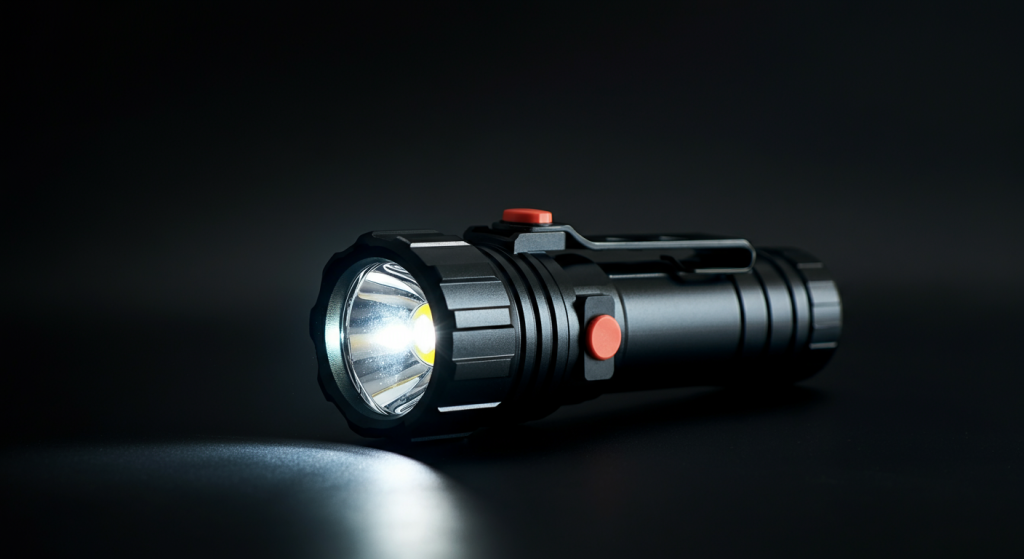
The world is full of unpredictable moments and incredible adventures. Whether you’re navigating a sudden downpour on a hiking trail, exploring the depths of a coral reef, or simply dealing with a power outage during a storm, reliable illumination is non-negotiable. But a standard flashlight often won’t cut it when moisture enters the equation. This is where the mighty waterproof LED flashlight steps in, offering a beacon of light that stands strong against the elements.
Gone are the days when “waterproof” meant merely splash-resistant. Modern LED technology, combined with advanced sealing methods, has revolutionized portable lighting. These specialized flashlights are not just durable; they are engineered to perform flawlessly in environments where traditional lights would fail, making them an indispensable tool for adventurers, professionals, and homeowners alike. In this comprehensive guide, we’ll dive deep into what makes these lights so essential, explore their key features, and help you choose the perfect model to light up your world, come rain or high water.
Why a Waterproof LED Flashlight is a Must-Have for Every Adventurer (and Homeowner!)
Imagine being caught in a sudden downpour during a camping trip, or dropping your flashlight into a puddle while working on your car. In these common scenarios, a regular flashlight would likely short-circuit, leaving you literally in the dark. A waterproof LED flashlight, however, is designed to shrug off such incidents, providing consistent, reliable light when you need it most.
Their resilience makes them invaluable for a wide array of activities and emergency preparedness. From deep-sea diving to navigating a flooded basement, these lights offer peace of mind, ensuring you’re never left without illumination due to water damage.
Beyond the Drizzle: Understanding True Waterproofing
When we talk about “waterproof,” it’s crucial to understand that not all ratings are created equal. The industry standard for measuring a device’s resistance to dust and water is the Ingress Protection (IP) rating. For flashlights, the second digit, which ranges from 0 to 8, specifically indicates its water resistance.
An IPX4 rating might protect against splashes, while an IPX7 means it can withstand temporary submersion up to 1 meter for 30 minutes. True submersible flashlights, often rated IPX8, are designed for continuous submersion at specified depths, making them ideal for diving or heavy rain. Knowing these ratings is your first step to choosing the right level of protection.
The LED Advantage: Brightness, Efficiency, and Durability
The “LED” in waterproof LED flashlight isn’t just a buzzword; it represents a significant leap in lighting technology. Light Emitting Diodes (LEDs) offer numerous advantages over traditional incandescent bulbs.
LEDs are significantly brighter, producing more lumens per watt, meaning you get powerful illumination without excessive power consumption. They are also incredibly energy-efficient, extending battery life considerably. Furthermore, LEDs are solid-state devices, making them far more durable and shock-resistant than delicate filaments, a critical feature for any outdoor or rugged use.
Versatility for Every Environment
The applications for a waterproof LED flashlight are incredibly diverse. For outdoor enthusiasts, they are essential for camping, hiking, fishing, and kayaking, where exposure to rain, dew, or accidental drops in water is common.
For marine activities like boating, sailing, or even professional diving, a specialized dive light with a high IPX rating is indispensable. Even around the home, a waterproof flashlight is a smart addition to emergency kits, toolboxes, and for tasks in damp environments like crawl spaces or during plumbing repairs. Their versatility truly makes them a universal tool.
Decoding the Specs: Key Features of a High-Performance Waterproof LED Flashlight
Choosing the right waterproof LED flashlight involves understanding a few key specifications. These features dictate performance, durability, and suitability for different tasks. Let’s break down what to look for to ensure your chosen light meets your specific needs.
IPX Rating: Your First Line of Defense Against Water
As mentioned, the IPX rating is paramount. It tells you exactly how much water your flashlight can handle. Here’s a quick guide to common ratings:
- IPX4: Splash resistant. Good for light rain or accidental splashes.
- IPX7: Submersible up to 1 meter for 30 minutes. Suitable for heavy rain, accidental drops in puddles, or temporary immersion.
- IPX8: Submersible beyond 1 meter for extended periods. The manufacturer specifies the exact depth and duration. This is what you need for diving, snorkeling, or situations where continuous deep immersion is expected.
Always match the IPX rating to your most demanding potential use case. If you’re going to be near water, aim for at least IPX7.
Lumens and Beam Type: Seeing is Believing
Lumens measure the total amount of visible light produced by a flashlight. More lumens generally mean a brighter light, but “more” isn’t always “better.”
- 100-300 Lumens: Great for general tasks, close-up work, or navigating indoors.
- 300-1000 Lumens: Ideal for outdoor activities like hiking, camping, or searching a backyard. Provides a good balance of brightness and battery life.
- 1000+ Lumens: High-powered lights for long-range illumination, search and rescue, or tactical applications. These can be very bright but consume more power.
Beam type refers to how the light is focused. A narrow, focused beam (spotlight) is excellent for long-distance illumination, while a wide, diffused beam (floodlight) is better for illuminating a broad area close up. Many modern flashlights offer adjustable beams or multiple modes to switch between spot and flood.
Battery Life and Type: Powering Your Exploration
The power source is critical for any flashlight. You’ll primarily find two types of batteries in waterproof LED flashlights:
- Disposable Batteries (AA, AAA, CR123A): Widely available and convenient for emergencies. However, they can be costly over time and less environmentally friendly.
- Rechargeable Batteries (18650, 21700, built-in Li-ion packs): Offer excellent power density, longer runtimes, and are more economical and eco-friendly in the long run. Many high-performance waterproof flashlights use these, often with integrated USB charging ports for convenience.
Battery life (runtime) is usually measured in hours and varies significantly based on the brightness mode selected. Look for models that provide a good balance between high output and extended runtime on lower settings.
Construction and Durability: Built to Last
Beyond waterproofing, the overall construction of your flashlight determines its resilience. Look for: