
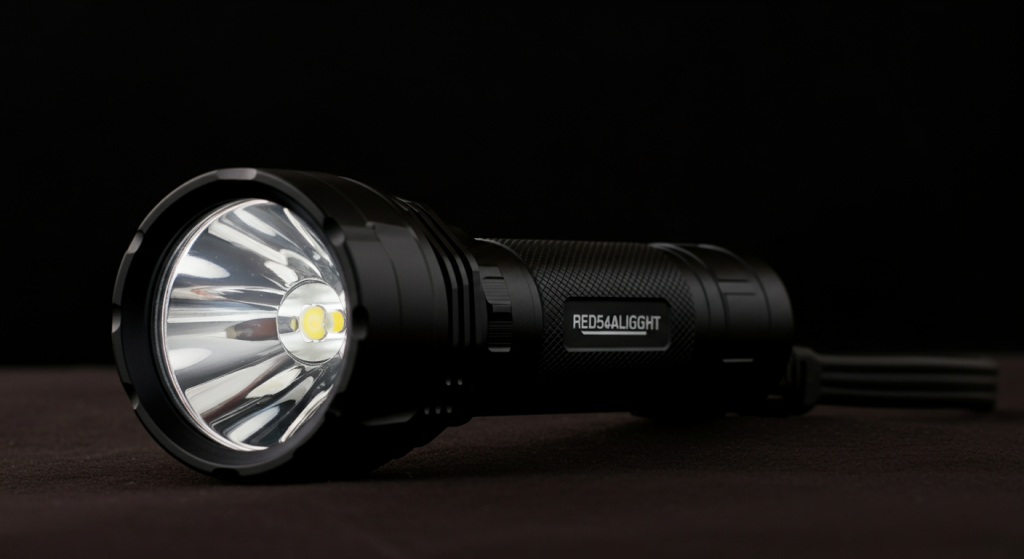
In a world where reliable light sources are not just a convenience but often a necessity, the humble flashlight has undergone a remarkable transformation. Gone are the days of dim, battery-guzzling incandescent bulbs. Today, we stand at the precipice of advanced illumination, and leading the charge is the rechargeable LED flashlight.
Whether you’re an outdoor adventurer, a professional who relies on dependable light, or simply preparing for unexpected power outages at home, a high-quality rechargeable LED flashlight is an indispensable tool. This comprehensive guide will illuminate why these devices are superior, what features truly matter, and how to choose the perfect one to brighten your path.
Why Choose a Rechargeable LED Flashlight? The Bright Advantages
The shift from traditional disposable battery flashlights to their rechargeable LED counterparts isn’t just a trend; it’s a smart, sustainable, and often more powerful choice. Let’s delve into the compelling reasons why these modern marvels are quickly becoming the standard.
Sustainable and Cost-Effective Illumination
One of the most significant advantages of a rechargeable LED flashlight is its positive impact on your wallet and the environment. While the initial investment might sometimes be slightly higher than a basic disposable-battery model, the long-term savings are substantial.
- Reduced Battery Waste: No more constantly buying and disposing of AA, AAA, or C batteries. A rechargeable flashlight significantly cuts down on hazardous waste, making it an eco-friendly choice.
- Long-Term Savings: Imagine the cost of batteries over years of use. With a rechargeable model, you’re essentially paying for electricity, which is pennies compared to the continuous purchase of alkaline cells.
Superior Performance and Consistency
LED technology combined with rechargeable power offers a level of performance that traditional flashlights simply can’t match. This means brighter, more consistent light whenever you need it most.
- Exceptional Brightness: LEDs are incredibly efficient, converting most of their energy into light rather than heat. This allows rechargeable LED flashlights to produce astonishing lumen outputs, often far exceeding traditional bulbs.
- Consistent Output: Unlike alkaline batteries that slowly dim as they drain, quality rechargeable flashlights often maintain a consistent brightness level until the battery is nearly depleted, thanks to advanced circuitry.
- Longer Lifespan: LED emitters themselves have an incredibly long operational life, often rated for tens of thousands of hours. This means your flashlight’s light source will likely outlast the device itself.
Convenience and Readiness
The ability to simply plug in and recharge your flashlight offers unparalleled convenience, ensuring it’s always ready for action. This readiness is crucial for emergencies or spontaneous adventures.
- Always Ready: With a charging cable or dock readily available, you can top up your flashlight’s battery after every use, eliminating the frantic search for fresh batteries when you need light most.
- Versatile Charging Options: Many modern rechargeable LED flashlights feature universal charging ports like USB-C or micro-USB, allowing you to charge them from wall adapters, power banks, car chargers, or even laptops.
Key Features to Look for in a Rechargeable LED Flashlight
Choosing the best rechargeable LED flashlight can feel overwhelming with the sheer number of options available. By understanding the core features, you can confidently select a model that perfectly suits your needs. Let’s break down what truly matters.
Brightness: How Many Lumens Do You Really Need?
Lumens are the measure of total visible light emitted by a source. More lumens generally mean a brighter light, but “more” isn’t always “better” for every situation.
- 100-300 Lumens: Ideal for everyday tasks, close-up work, reading, or navigating a dark room. Good for EDC (Everyday Carry) where compactness is key.
- 300-1000 Lumens: Excellent for general outdoor use, camping, hiking, or home emergencies. Provides a good balance of brightness and battery life.
- 1000+ Lumens: “Tactical” or “search and rescue” level brightness. Perfect for long-distance illumination, professional use, or situations requiring maximum light output. Be aware that higher lumens often mean shorter runtimes and more heat generation.
Practical Tip: Don’t just chase the highest lumen number. Consider the flashlight’s primary use. A 500-lumen flashlight might be more practical for camping than a 5000-lumen behemoth that drains its battery in minutes.
Battery Type: The Heart of Your Flashlight
The type of rechargeable battery significantly impacts performance, runtime, and overall device longevity. Lithium-ion (Li-ion) batteries are the most common and preferred type for high-performance LED flashlights.
- 18650/21700 Li-ion: These are powerful, high-capacity cells that offer excellent runtime and can deliver significant current for bright LEDs. 21700 batteries are newer, larger, and generally offer higher capacity than 18650s.
- Built-in Li-ion Packs: Some compact flashlights feature integrated battery packs that are not user-replaceable. While convenient, this can limit the flashlight’s lifespan if the battery eventually degrades.
Expert Insight: Look for flashlights that use standard, user-replaceable 18650 or 21700 cells. This allows you to carry spares and replace the battery if it wears out, extending the life of your flashlight.
Beam Type: Spot, Flood, or Adjustable?
The beam pattern determines how the light is distributed, impacting its utility for different tasks.
- Spot Beam: Concentrated light that travels a long distance. Ideal for searching, signaling, or illuminating distant objects.
- Flood Beam: Wide, diffused light that illuminates a large area evenly. Excellent for close-up work, general area lighting, or navigating trails.
- Adjustable Focus: Some flashlights allow you to switch between a spot and flood beam, offering versatility for various situations.
Durability and Weather Resistance: Built to Last
A reliable flashlight needs to withstand the elements and the rigors of use. Look for robust construction and good ingress protection (IP) ratings.
- Material: Aircraft-grade aluminum is common for its strength-to-weight ratio and corrosion resistance. Some professional models might use harder anodized finishes.
- IP Rating (Ingress Protection): This two-digit number indicates resistance to solids (dust) and liquids (water).
- IPX4: Splash resistant. Good for light rain.
- IPX7: Submersible up to 1 meter for 30 minutes. Generally considered waterproof for most practical purposes.
- IPX8: Submersible beyond 1 meter (specific depth and time defined by manufacturer). Perfect for demanding outdoor or professional use.
- Impact Resistance: Look for ratings indicating drop resistance from a certain height (e.g., 1 meter).
Charging Method: Convenience is Key
How you charge your rechargeable LED flashlight directly impacts its user-friendliness.
- USB-C/Micro-USB: The most common and convenient. Allows charging from almost any USB power source. USB-C is preferred for its reversibility and faster charging capabilities.
- Magnetic Charging: Some premium brands use magnetic charging ports, which are convenient and often more water-resistant as they don’t require an exposed port cover.
- Charging Dock: Less common for portable flashlights, but useful for fixed-location or work lights, offering a dedicated charging spot.
Run Time and Light Modes
A good flashlight offers multiple light modes to balance brightness and battery life.
- Multiple Modes: Essential for versatility. Look for “low,” “medium,” “high,” and often a “turbo” mode for maximum output.
- Moonlight/Eco Mode: An extremely low lumen setting (1-5 lumens) that provides hours, or even days, of minimal light, perfect for not disturbing others or preserving night vision.
- Strobe/SOS: Emergency signaling modes that can be crucial in distress situations.
- Run Time: Manufacturers typically provide runtimes for each mode. Pay attention to the runtime at the brightness level you expect to use most frequently.
Size, Weight, and Ergonomics
The physical attributes of your flashlight affect how comfortable it is to carry and use.
- EDC (Everyday Carry): Compact, lightweight flashlights that fit easily in a pocket or bag.
- Tactical/Duty: Often larger, designed for grip, sometimes with crenulated bezels for self-defense or glass breaking.
- Work Lights: May feature magnetic bases, clips, or specific shapes for hands-free operation.
Additional Features to Consider
- Power Bank Function: Some larger rechargeable flashlights can also charge your phone or other USB devices in a pinch.
- Magnetic Tail Cap: Extremely useful for hands-free work, allowing you to attach the flashlight to metal surfaces.
- Pocket Clip: Essential for EDC flashlights, allowing secure carry.
- Battery Level Indicator: A simple way to know how much power you have left.
- Lockout Function: Prevents accidental activation in your pocket or bag.
Top Applications for Rechargeable LED Flashlights
The versatility of a rechargeable LED flashlight means it can serve a multitude of purposes across various aspects of your life. Understanding these applications can help you narrow down the best model for your specific needs.
Everyday Carry (EDC)
A compact, reliable rechargeable LED flashlight is a staple for many EDC enthusiasts. It’s there for unexpected dark corners, finding dropped keys, or navigating poorly lit areas.
- Key Features: Small size, lightweight, decent brightness (100-500 lumens), good pocket clip, durable construction, and simple UI.
- Examples: Ideal for urban environments, quick checks, or supplementing your phone’s weak light.
Outdoor Adventures: Camping, Hiking, Backpacking
For outdoor