
“`html
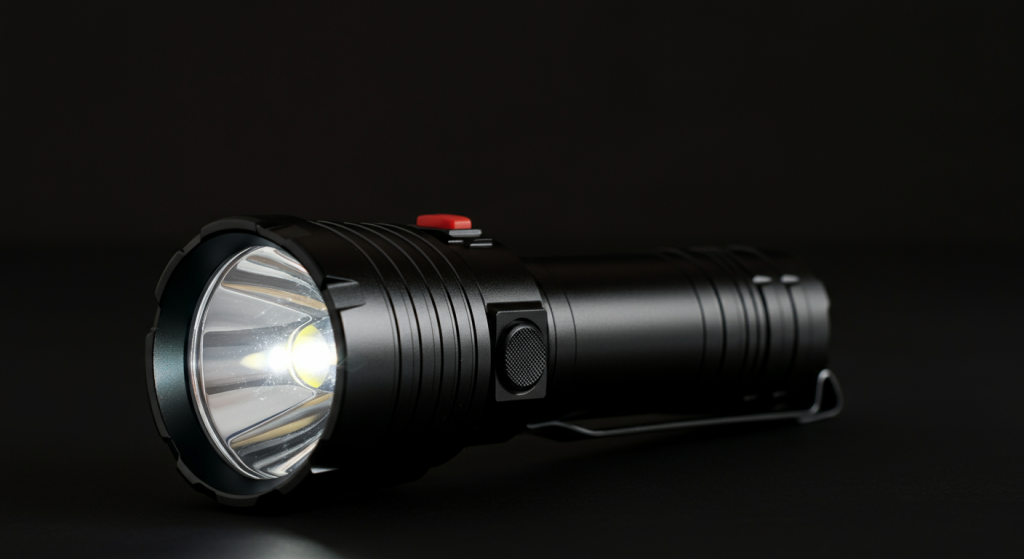
In a world where reliable light is not just a convenience but often a necessity, the humble flashlight has undergone a remarkable transformation. Gone are the days of dim, battery-hungry incandescent bulbs. Today, the rechargeable LED flashlight stands as a beacon of modern illumination, offering unparalleled brightness, efficiency, and versatility.
Whether you’re an outdoor enthusiast, a DIY guru, a first responder, or simply someone who wants to be prepared for power outages, a high-quality rechargeable LED flashlight is an indispensable tool. This comprehensive guide will illuminate everything you need to know, helping you navigate the vast array of options to find the perfect light for your needs.
We’ll delve into the advantages of these powerful devices, explore crucial features, compare different types, and provide actionable tips to help you make an informed decision. Get ready to shed some light on your next essential gear purchase!
Why Choose a Rechargeable LED Flashlight? The Modern Illumination Advantage
The shift from traditional battery-powered flashlights to their rechargeable LED counterparts isn’t just a trend; it’s a fundamental upgrade in performance, sustainability, and convenience. Let’s explore the compelling reasons why these modern marvels are becoming the go-to choice for discerning users.
Cost-Effectiveness and Environmental Friendliness
One of the most immediate benefits of a rechargeable LED flashlight is the significant long-term savings. Imagine no longer needing to constantly buy and replace disposable batteries. This not only lightens your wallet but also reduces your environmental footprint.
Each time you recharge your flashlight, you’re preventing another set of alkaline batteries from ending up in a landfill. Many modern rechargeable flashlights use standard USB charging, making them incredibly convenient to power up from almost any source.
Superior Performance and Durability
LED technology is a game-changer. These tiny light-emitting diodes are incredibly efficient, producing far more light per watt than traditional bulbs. This means brighter beams, longer runtimes, and a lifespan that can stretch tens of thousands of hours.
Furthermore, because LEDs are solid-state components, they are far more resistant to drops and impacts than fragile incandescent filaments. Paired with robust, aerospace-grade aluminum bodies, many rechargeable LED flashlights are built to withstand the harshest conditions.
Convenience and Preparedness
With a rechargeable flashlight, you’re always ready. Instead of scrambling for fresh batteries during a power outage or before a camping trip, you simply plug in your device. Many models offer charge indicators, so you know exactly when your light is topped up and ready for action.
This “always ready” aspect is crucial for emergency kits, everyday carry (EDC), and professional use where reliability is paramount. The peace of mind knowing you have a dependable light source at your fingertips is invaluable.
Key Features to Look for in a Rechargeable LED Flashlight
Choosing the best rechargeable LED flashlight involves understanding a few key specifications and features. By familiarizing yourself with these aspects, you can confidently select a model that perfectly matches your specific needs and intended uses.
Lumens and Beam Distance (Brightness & Throw)
Lumens measure the total amount of visible light emitted by a source. More lumens generally mean a brighter flashlight. However, brightness isn’t the only factor; how that light is focused determines its beam distance, or “throw.”
- Low Lumens (50-200): Ideal for close-up tasks, reading, or maintaining night vision.
- Medium Lumens (200-1000): Great for general-purpose use, walking, camping, and home emergencies.
- High Lumens (1000+): Essential for tactical use, search and rescue, long-distance illumination, or blinding potential threats.
Consider how you’ll use the flashlight. Do you need a wide floodlight to illuminate a large area, or a tight spotlight to see far into the distance? Some flashlights offer adjustable focus, allowing you to switch between flood and spot beams.
Battery Type and Runtime (Power Source & Longevity)
The heart of any rechargeable flashlight is its battery. Most high-performance models utilize Lithium-ion (Li-ion) batteries, commonly in sizes like 18650, 21700, or built-in proprietary packs.
- 18650/21700 Li-ion: These are robust, high-capacity, and often replaceable, allowing you to carry spares. They offer excellent energy density.
- Built-in Proprietary Batteries: Often found in compact or highly specialized designs. While convenient, they can be harder to replace if they degrade.
Runtime indicates how long the flashlight will operate on a full charge at different brightness settings. Manufacturers typically provide runtime specs for various lumen outputs. Look for models with efficient power management that balance brightness and longevity.
Charging Methods and Portability
The convenience of charging is a major draw for rechargeable flashlights. Common charging methods include:
- USB-C/Micro-USB: The most common and versatile, allowing you to charge from wall adapters, power banks, car chargers, or laptops.
- Magnetic Charging: Often features a magnetic base that attaches to a proprietary charging cable, offering quick and easy connection.
- Docking Stations: Some professional or work lights come with a cradle for easy drop-in charging.
Consider how easily you can charge the flashlight in various environments. For portability, look for compact designs, pocket clips, and lanyard holes, making it easy to carry your light wherever you go.
Durability and Water Resistance (IP Rating)
A flashlight is only as good as its ability to withstand the elements. Look for robust construction, typically from aircraft-grade aluminum, which offers excellent impact resistance.
IP ratings (Ingress Protection) are crucial for water and dust resistance:
- IPX4: Resistant to splashing water from any direction.
- IPX7: Can be submerged in 1 meter of water for 30 minutes.
- IPX8: Can be continuously submerged in water beyond 1 meter (specific depth and duration vary by manufacturer).
For outdoor use or demanding environments, an IPX7 or IPX8 rating is highly recommended. Pay attention to impact resistance specifications, often measured in meters (e.g., “1-meter impact resistant”).
Beam Modes and User Interface (Versatility)
Most modern rechargeable LED flashlights offer multiple light modes, enhancing their versatility. Common modes include:
- High/Medium/Low: For general illumination at varying intensities.
- Strobe: For self-defense or signaling in emergencies.
- SOS: A pre-programmed Morse code signal for distress.
- Moonlight/Ultra-Low: Extremely dim for preserving night vision or extended runtimes.
The user interface (UI) determines how easily you can cycle through these modes. Some flashlights use a single tail switch, others a side switch, and some combine both. Look for intuitive controls that allow quick access to your most-used modes.
Size, Weight, and Ergonomics (Comfort & EDC)
The physical characteristics of your flashlight greatly impact its usability. A larger flashlight might offer more power and runtime, while a smaller one is easier to carry daily.
- Everyday Carry (EDC): Compact,